How to Do Travel Photography: A Storytelling Guide
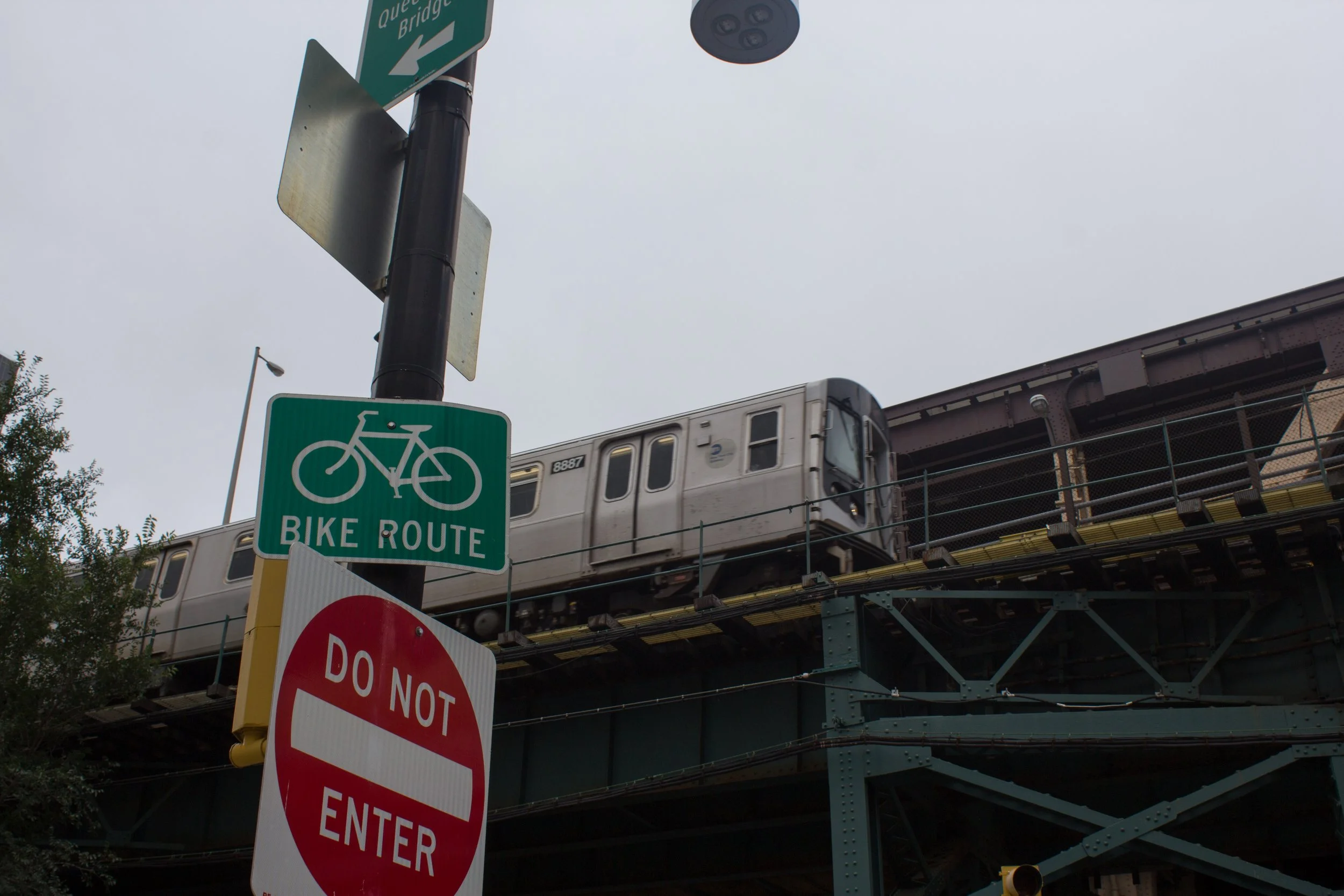
Travel photography is about much more than collecting beautiful views. The most memorable travel photographs tell stories about people, places, and the moments that make every destination unique. Instead of chasing postcard-perfect images, focus on creating photographs that preserve the feeling of being somewhere.
This guide takes inspiration from the principles found in Life Photography: observe carefully, photograph honestly, and create images that have lasting emotional value.
What Is Travel Photography?
Travel photography combines documentary photography, street photography, landscape photography, portraiture, and architecture into one visual story. Rather than documenting every tourist attraction, a good travel photographer captures the atmosphere, culture, and rhythm of a destination.
The goal is simple: if someone looks at your photographs years later, they should feel like they were there.
1. Research Before You Leave
The best travel photography starts long before boarding a plane.
Research:
Local culture and traditions
Markets and neighbourhoods
Museums and galleries
Festivals and events
Sunrise and sunset times
Typical weather
Quiet streets away from tourist crowds
Google Maps, books, local magazines, and independent travel websites often provide more inspiration than social media.
2. Pack Light
Carrying too much equipment makes photography stressful.
A simple setup is often enough:
One camera
One versatile lens
Extra batteries
Spare memory cards
Lightweight tripod (optional)
Lens cloth
Small camera bag
Travelling light allows you to react quickly and enjoy the journey instead of constantly changing lenses.
3. Wake Up Early
The first hours of the morning are often the most rewarding.
Benefits include:
Soft natural light
Empty streets
Local life beginning
Cleaner compositions
Cooler temperatures
Many iconic travel photographs are made before most tourists leave their hotels.
4. Walk Instead of Taking Transport
Walking helps you discover places that taxis, buses, and metro systems completely miss.
Take side streets.
Visit residential neighbourhoods.
Follow interesting sounds or smells.
Some of the strongest photographs happen when you stop following your itinerary.
5. Photograph People Respectfully
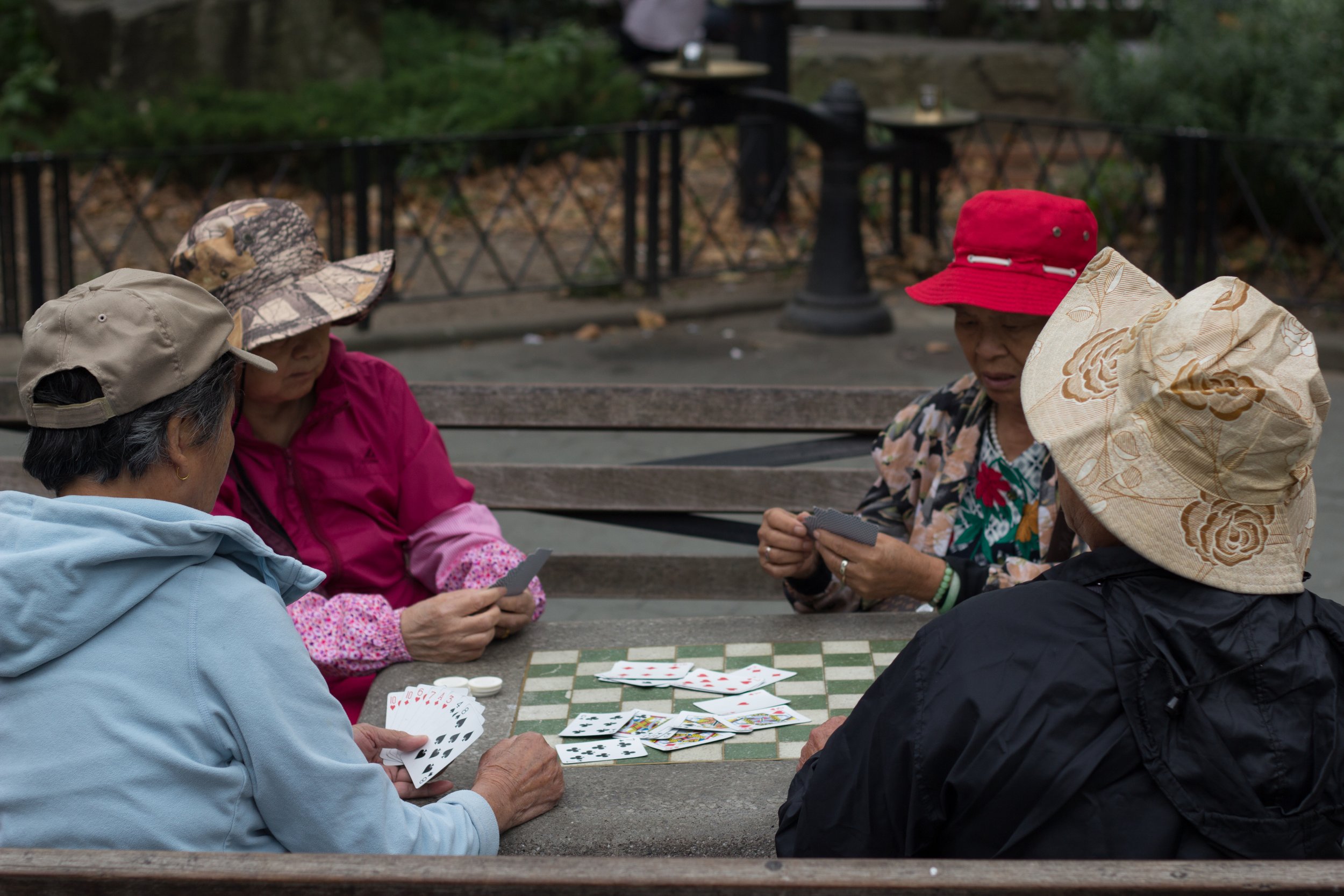
People bring life to a destination.
Instead of photographing crowds from a distance, look for genuine moments:
Friends talking
Shopkeepers opening stores
Children playing
Elderly residents sitting outside
Workers going about daily life
Always respect local customs and ask permission when appropriate. A smile and simple conversation often create better portraits than photographing secretly.
6. Learn to Observe Before Photographing

One of the most valuable habits in photography is slowing down.
Instead of immediately raising your camera:
Watch the light.
Observe people's movements.
Wait for interesting interactions.
Study the background.
Predict the moment.
Patience often separates ordinary photographs from memorable ones.
7. Include Everyday Details
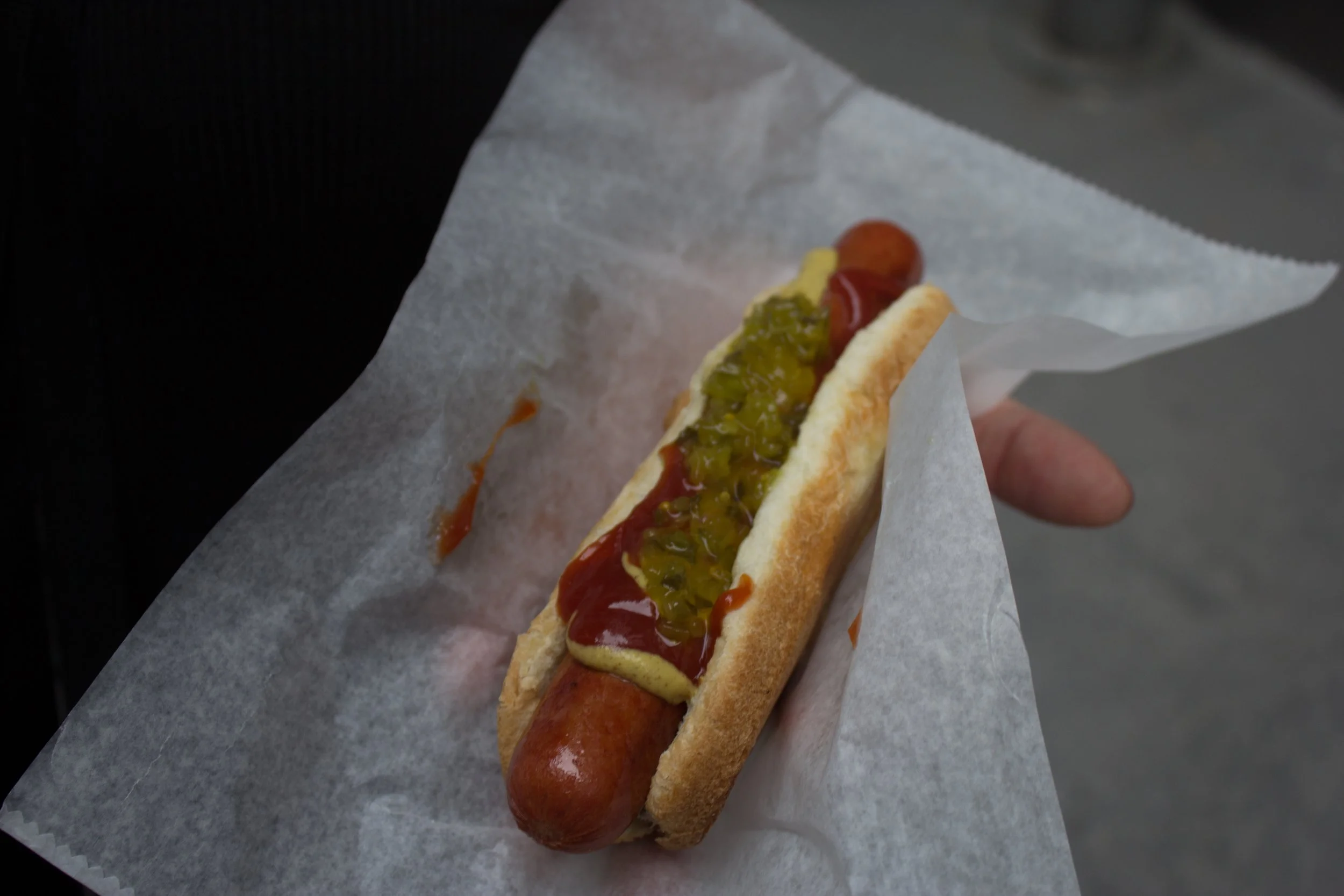
Not every photograph needs to show famous landmarks.
Photograph details such as:
Café tables
Hotel interiors
Street signs
Public transport
Windows
Local food
Books
Flowers
Shop displays
Architectural textures
These small details help tell the complete story of a place.
8. Use Natural Light Whenever Possible
Natural light creates photographs that feel authentic.
Good moments include:
Early morning
Late afternoon
Overcast days
Light entering through windows
Reflections from buildings
Avoid relying on flash unless absolutely necessary.
9. Build a Photo Story
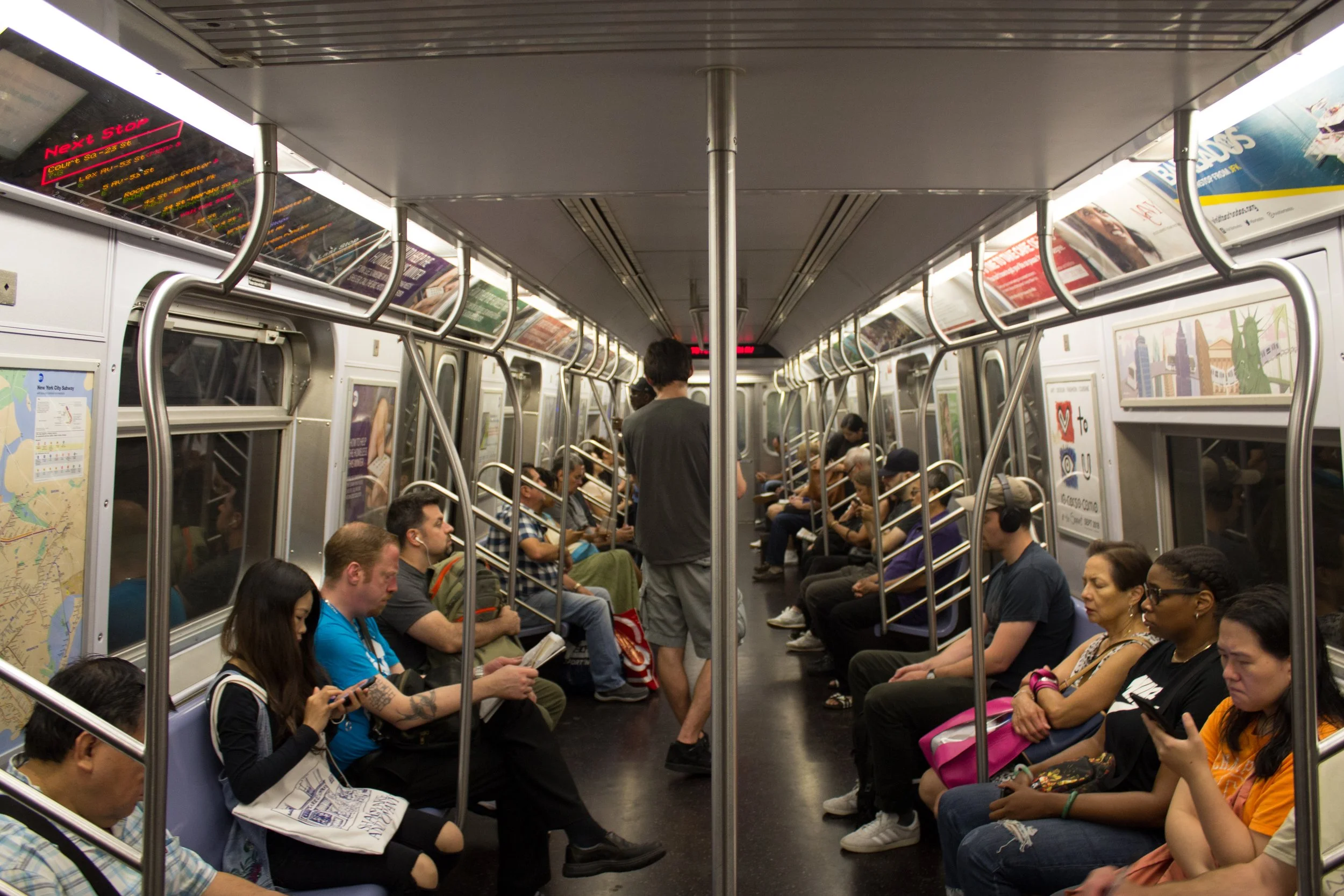
Instead of creating individual images, think like a magazine editor.
A complete travel story often includes:
Wide establishing photographs
Architecture
Street scenes
Portraits
Food
Details
Landscapes
Night photography
Quiet moments
Final closing image
Together these photographs create a visual narrative.
10. Photograph Beyond the Tourist Attractions
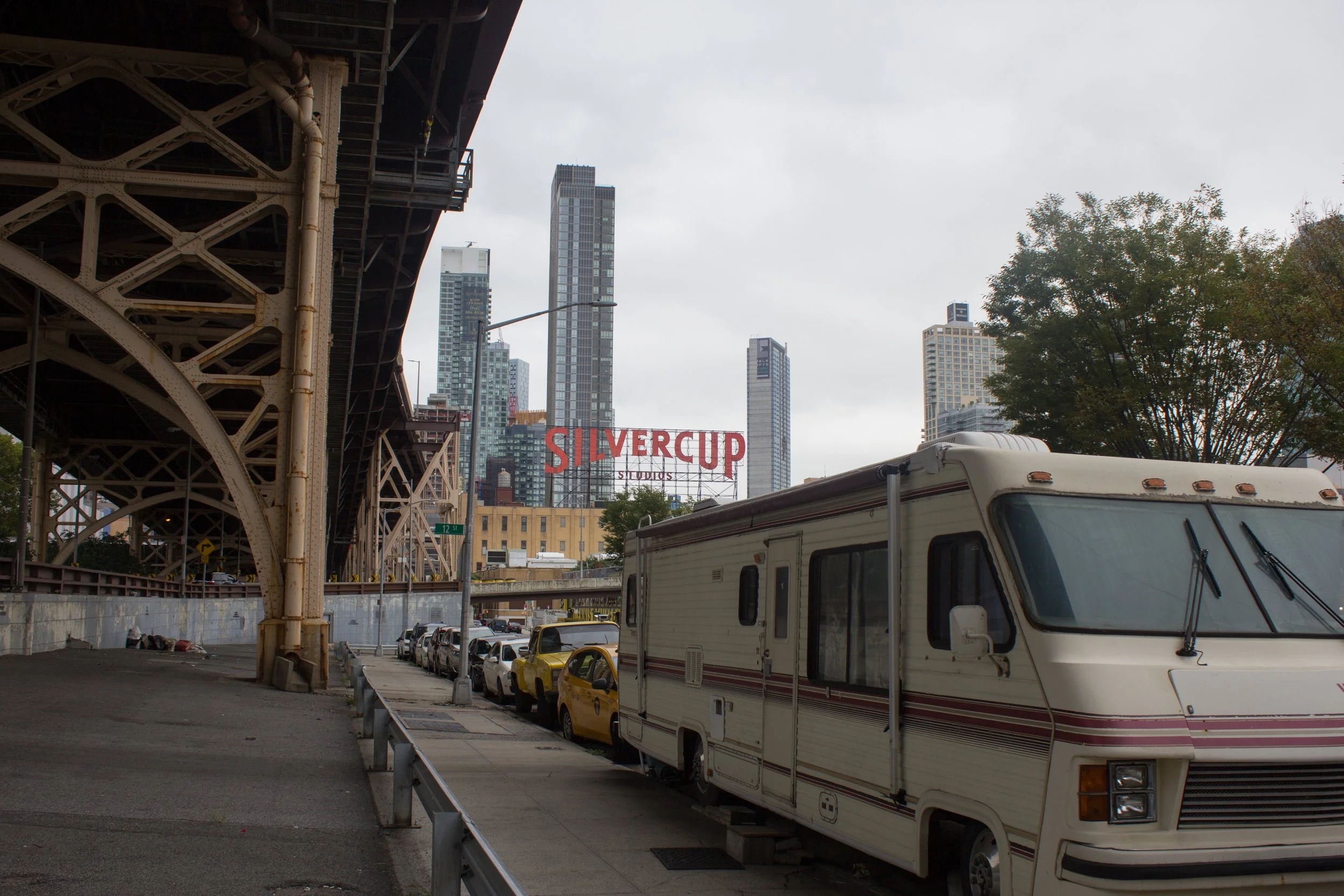
Every destination has famous locations, but the real story usually happens nearby.
After photographing the landmark:
Walk one or two streets away.
Visit local cafés.
Explore residential areas.
Enter independent bookstores.
Browse neighbourhood markets.
This is often where authentic travel photography begins.
11. Embrace Imperfection
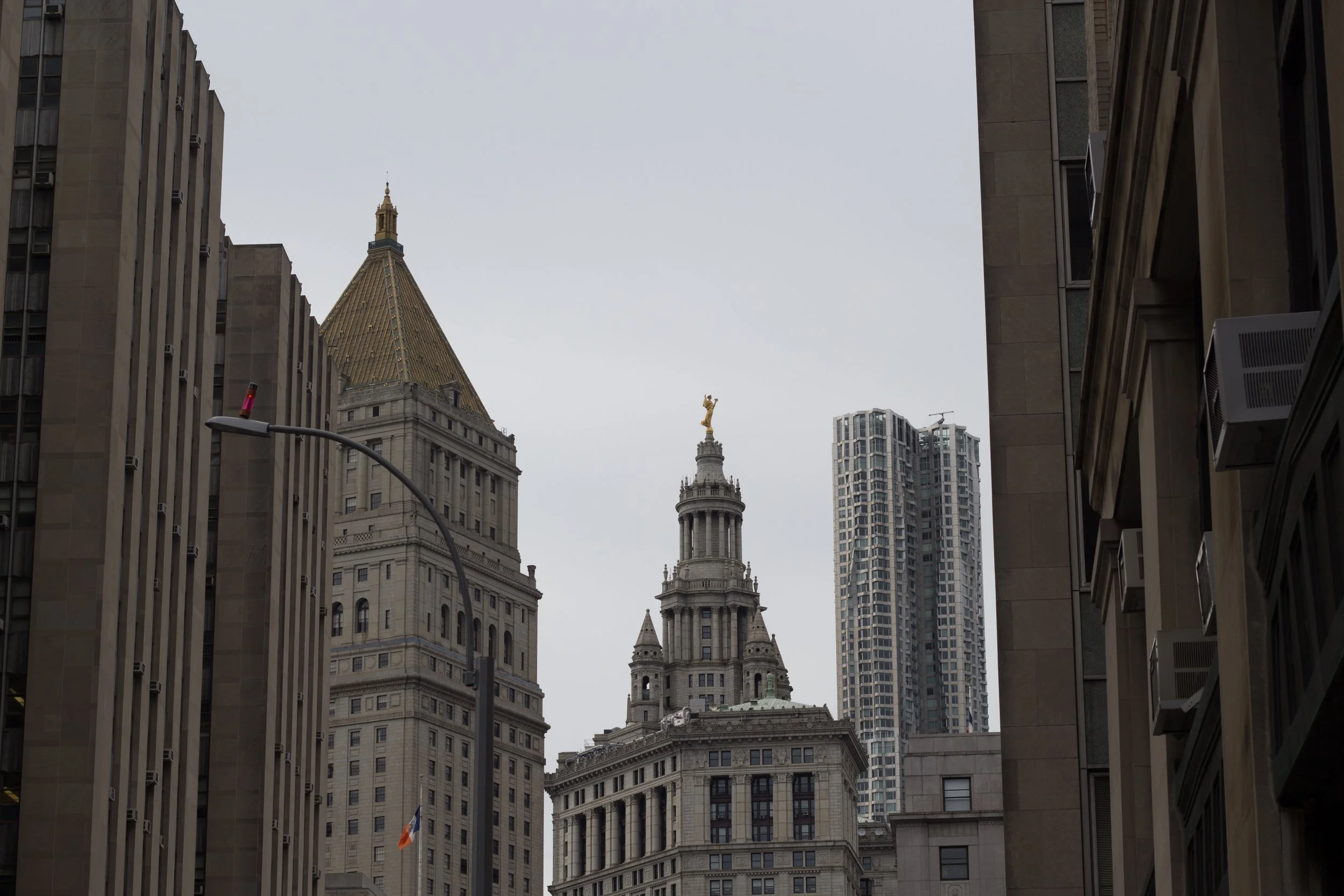
Some of the most memorable travel photographs are not technically perfect.
A little motion blur, grain, rain, or imperfect framing can make an image feel more human.
Emotion is usually more important than perfection.
12. Edit Consistently
Editing should support your storytelling rather than overpower it.
Aim for:
Natural colours
Balanced contrast
Consistent tones
Honest representation
Minimal distractions
Develop a recognisable editing style that reflects your own vision.
Common Travel Photography Mistakes
Avoid these common pitfalls:
Photographing only famous landmarks
Carrying too much equipment
Over-editing colours
Never interacting with locals
Rushing between locations
Copying popular Instagram compositions
Ignoring weather conditions
Not backing up photographs daily
Frequently Asked Questions
What Camera Should I use?
The best travel camera is the one you'll enjoy carrying every day. A lightweight, reliable camera is far more likely to accompany you on every walk, museum visit, café stop, or spontaneous adventure than a heavy kit left behind at the hotel.
Whether you choose a professional mirrorless camera, a compact premium camera, or simply your smartphone, the best camera is the one that encourages you to photograph consistently.
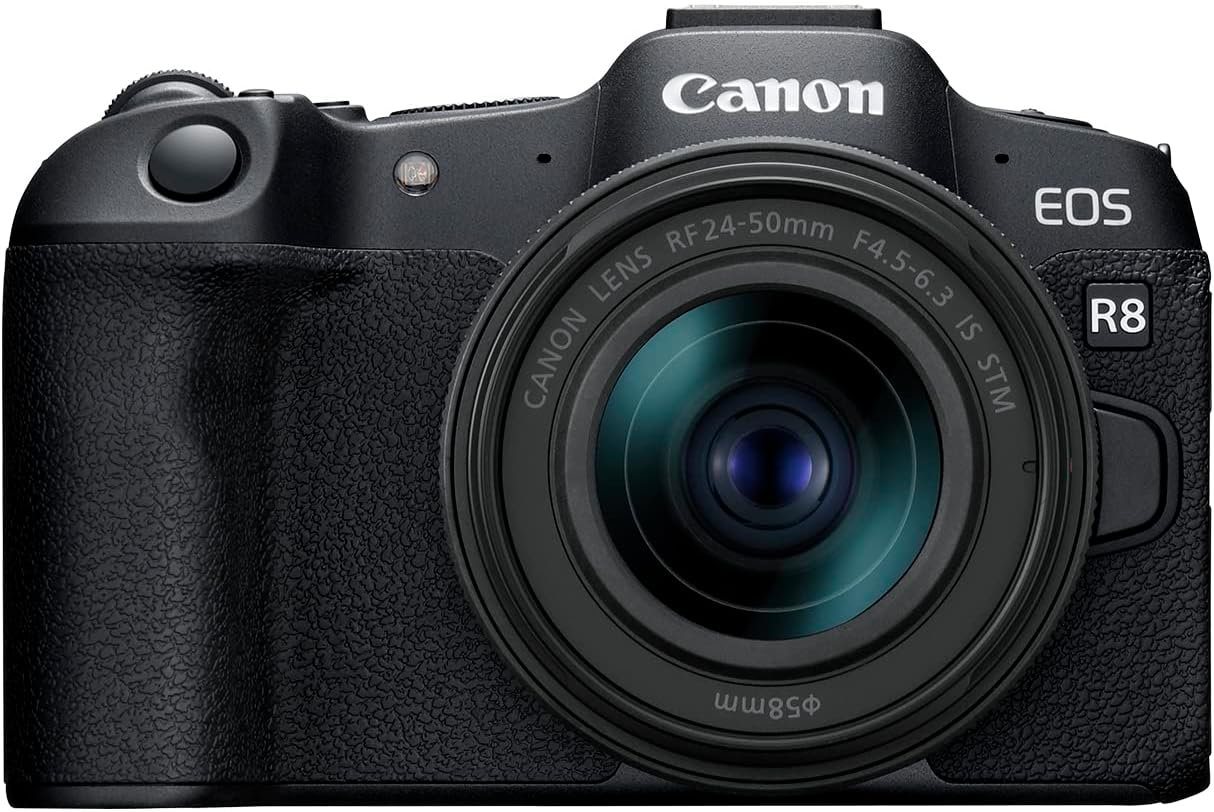
Canon EOS R8
The Canon EOS R8 offers one of the best combinations of portability and image quality available today. Its full-frame sensor delivers exceptional detail, beautiful low-light performance, and impressive dynamic range, while the lightweight body makes it easy to carry all day. Combined with Canon's outstanding autofocus, it's an excellent choice for travel, documentary, street, and landscape photography.
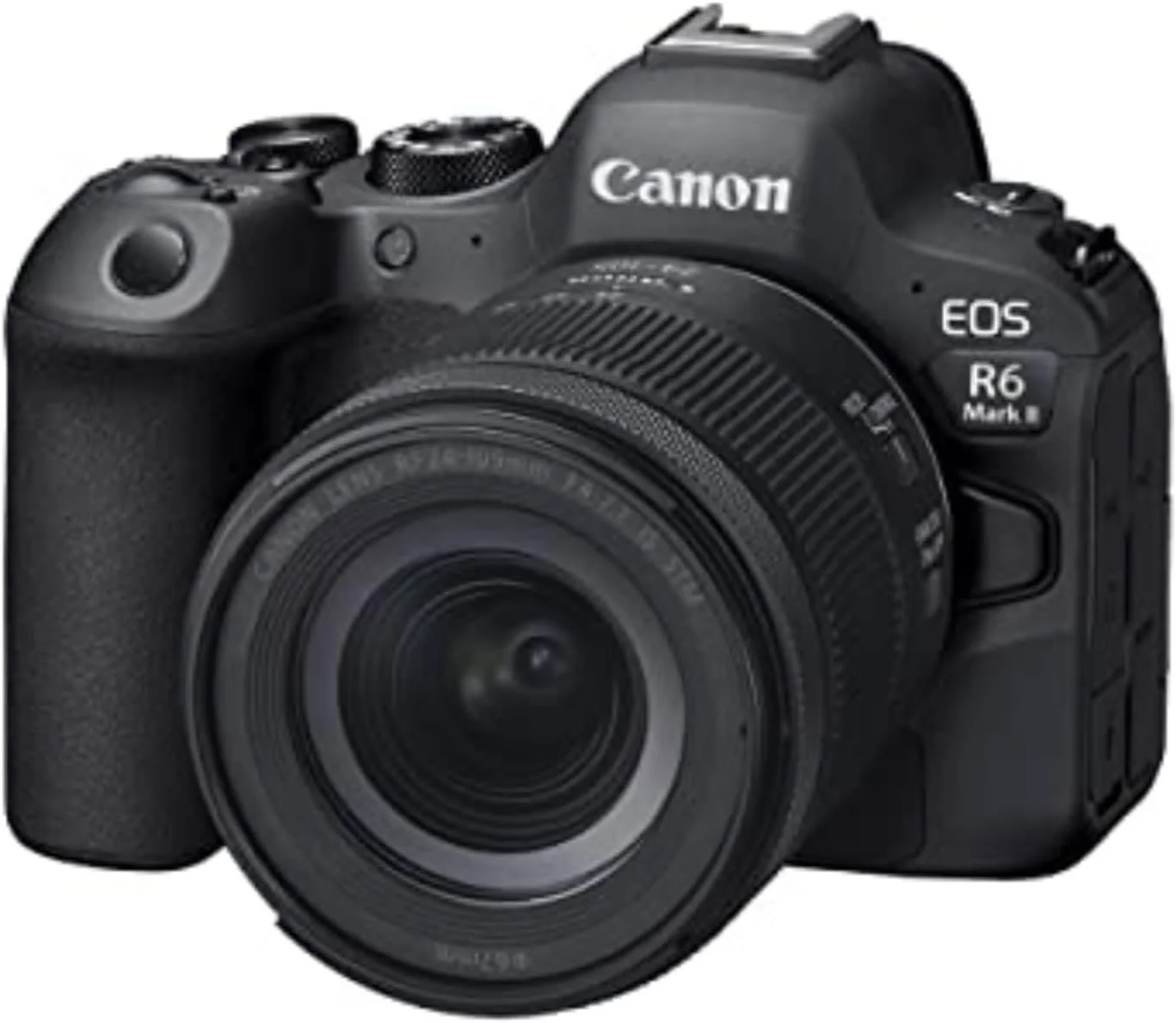
Canon EOS R6 Mark II
If you're looking for a more advanced camera, the Canon EOS R6 Mark II is one of the finest all-round mirrorless cameras on the market. It features industry-leading autofocus, excellent in-body image stabilisation, weather sealing, and superb image quality in virtually every lighting condition. Whether you're photographing busy city streets, dramatic landscapes, portraits, or fast-moving action, it's a camera built to handle almost any travel assignment.
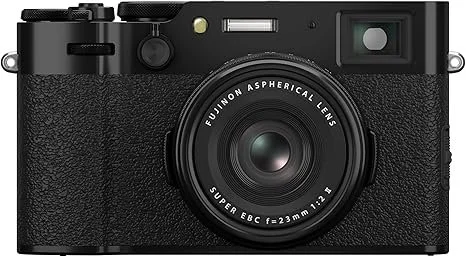
Fujifilm X100VI
The Fujifilm X100VI has become one of the world's favourite travel cameras thanks to its compact design and simplicity. Its fixed 23mm f/2 lens (equivalent to 35mm on a full-frame camera) is perfect for street photography, architecture, cafés, markets, and everyday travel. Fujifilm's renowned Film Simulations produce beautiful JPEG images straight out of the camera, making it ideal for photographers who want to spend less time editing and more time exploring.

iPhone 17 Pro
The iPhone 17 Pro demonstrates just how capable smartphone photography has become. Its advanced camera system, excellent image stabilisation, and powerful computational photography allow you to capture high-quality images in almost any situation. For many travellers, it's the perfect camera because it's always within reach. Whether you're documenting a meal, capturing a sunset, or photographing a bustling street, the iPhone makes it easy to preserve spontaneous moments without carrying extra equipment.
If photography is the main purpose of your trip, a dedicated camera like the Canon EOS R8, Canon EOS R6 Mark II, or Fujifilm X100VI will provide greater creative control and superior image quality. But if convenience and portability are your priorities, the iPhone 17 Pro is an outstanding companion.
What Lens Should I Bring?
One versatile lens is usually all you need. Many experienced travel photographers prefer a 35mm equivalent field of view because it naturally captures streets, architecture, environmental portraits, cafés, markets, and everyday life.
For Canon users, the Canon RF 35mm F1.8 Macro IS STM is one of the best travel lenses available. It's lightweight, exceptionally sharp, includes image stabilisation, and is versatile enough for everything from street photography and portraits to close-up details.
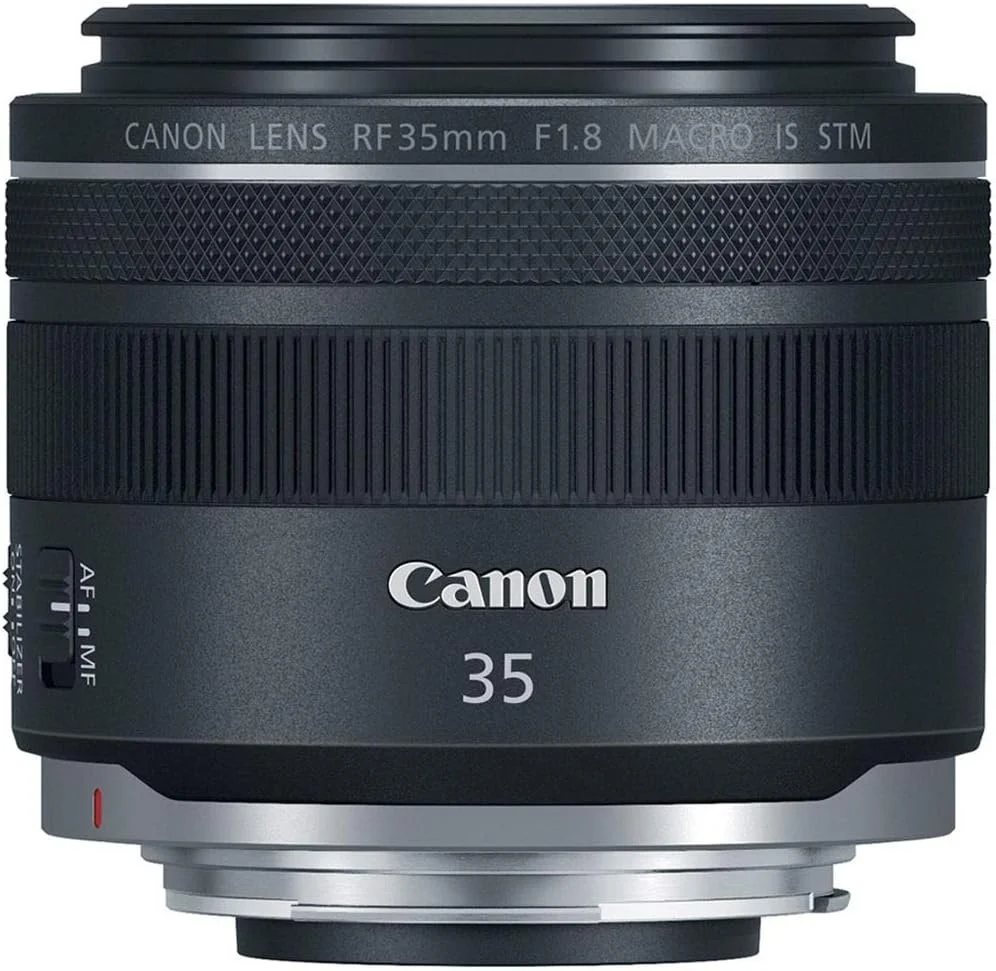
Canon RF 35mm F1.8 Macro IS STM
If you prefer the flexibility of a zoom lens, the Canon RF 24–105mm F4 L IS USM is one of the most versatile travel lenses you can own. It covers wide-angle landscapes, architecture, portraits, and tighter compositions, allowing you to photograph almost any scene without changing lenses.
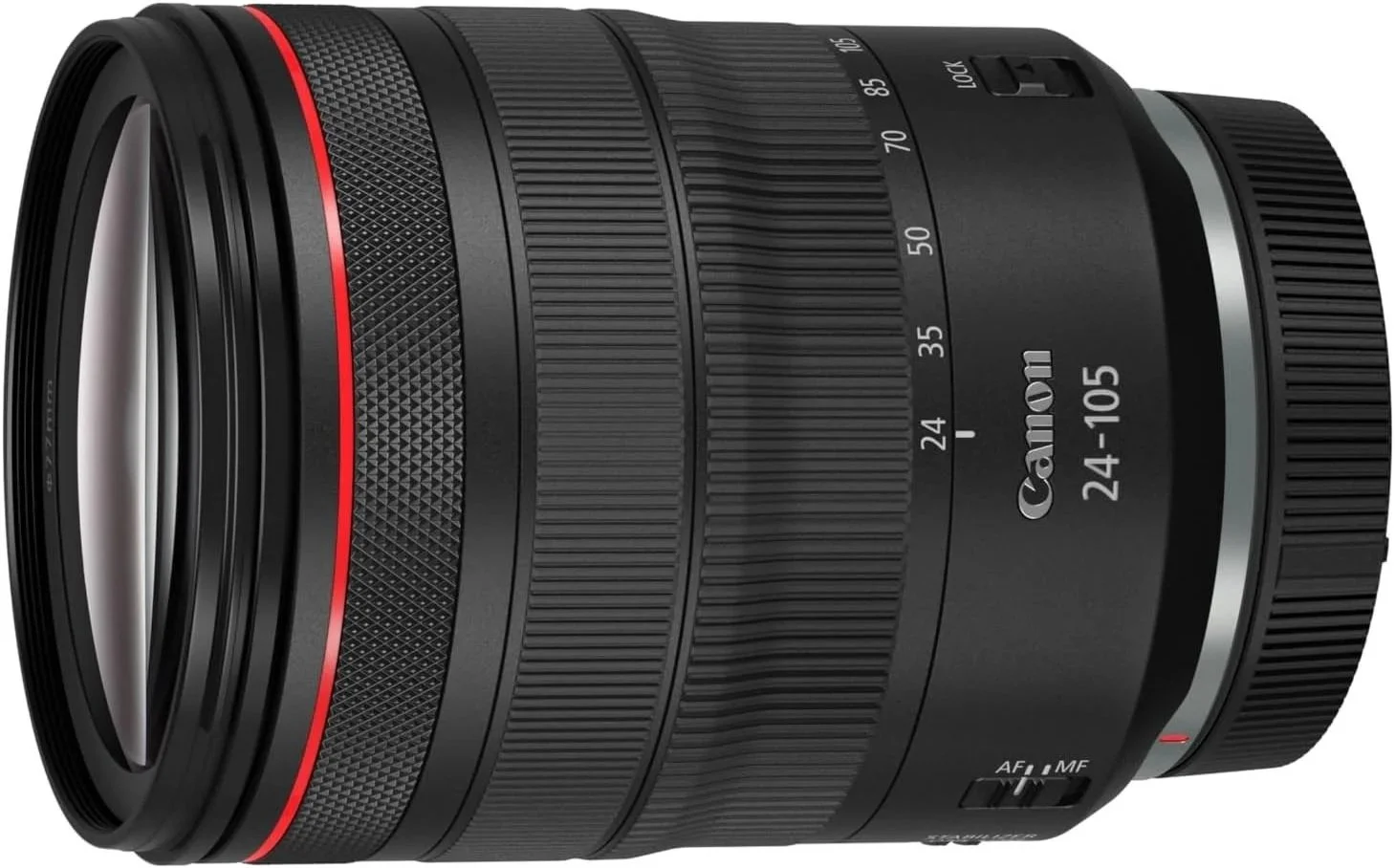
Canon RF 24–105mm F4 L IS USM
Ultimately, the best travel photography kit is the one that fits your style of travelling. Travelling light often means photographing more, staying present in the moment, and enjoying the journey without being weighed down by heavy equipment.
Should I photograph in RAW or JPEG?
RAW files offer the greatest flexibility for editing, while JPEG files are convenient for quick sharing. Many photographers capture both formats to enjoy the benefits of each.
How do I make my travel photographs look unique?
Spend more time observing than photographing. Explore quieter neighbourhoods, focus on everyday life, and create stories instead of collecting landmarks. Your perspective, not your destination, is what makes your work distinctive.
Final Thoughts
The most meaningful travel photography is not about proving where you have been. It is about preserving how a place felt.
Slow down. Walk without a plan. Notice the ordinary moments that most visitors overlook. The conversations, morning light, neighbourhood cafés, museum visits, and quiet streets often become the photographs you treasure most.
In the end, travel photography is less about seeing the world and more about learning how to truly observe it.